The Quiet Science of Sleep: An Informational Odyssey Through Mattresses, Myth, and the Way We Rest
A thoughtful exploration of how sleep works, what a mattress does, and why the everyday act of lying down is a research-worthy ritual that shapes our days.
Sleep is not merely a passive pause between waking moments. It is a structured, biological event—an orchestra of brain activity, hormonal rhythms, and subtle bodily recalibrations that, when orchestrated well, yields clarity, resilience, and a steady mood. In this piece, we linger on the boundary where science meets sentiment, where a mattress becomes more than a surface and a bedtime routine becomes a lifelong practice of self-care. The aim is not to sell you a product but to illuminate how sleep works, what constitutes a good sleep environment, and how readers can navigate the marketplace—whether you are choosing a mattress pad for comfort, or wrestling with the bigger questions: How much sleep do we actually need? What does sleep architecture look like in the adult brain? And how can we structure a room to support, rather than undermine, our nightly reset?
The topic—sleep health, bedding education, and the quiet ergonomics of rest—exists at a modest crossroads: it is practical enough to guide a purchase, yet broad enough to invite curiosity about circadian biology, environmental design, and long-form comprehension. The domain NashuaMattress.com, in this editorial trajectory, becomes a neutral harbor for credible sleep information, not a storefront. It’s a space that treats sleep as a public good—an essential daily ritual that deserves careful, science-led discussion.
Sleep: An Architecture Inside the Body
The human sleep cycle is not a single act but a choreography of stages. We drift from light, non-rapid eye movement stages to rapid eye movement—the latter hosting vivid dreams and a distinctive brain activity pattern. This architecture isn’t cosmetic; it underpins memory consolidation, emotional regulation, and metabolic balance. Understanding sleep stages helps explain why a “good night’s sleep” often feels like a clean reset rather than a simple absence of wakefulness.
Circadian biology—the internal clock that responds to light and darkness—also plays a crucial role. Light exposure in the morning helps phase-shift the clock toward alertness, while dimming and cool, low-light conditions in the evening cue the body toward rest. In our modern world, the after-hours glow of screens and artificial lighting can blur those signals, nudging the body toward misalignment. A well-tuned sleep environment acknowledges this biology: daylight in the morning, subdued lighting at night, and a room that communicates quiet through color, temperature, and texture.
What a Mattress Does: Materials, Firmness, and the Language of Comfort
A mattress is a layered instrument designed to support the body while allowing the natural curves of the spine to align. It is not a monolithic thing; it is a conversation among materials—memory foam, latex, springs, and increasingly breathable hybrids—that respond to pressure, heat, and movement. The educational task is to understand how these materials behave, so that readers can decipher manufacturer language with a critical, curious eye.
The tactile vocabulary of mattresses often includes terms like density, loft, and firmness ratings. But beneath the jargon lies a simple truth: a mattress should support the alignment of the spine in a neutral position while comfortably accommodating the sleeper’s preferred position. Side sleepers typically benefit from a bit more pressure relief at the shoulders and hips, back sleepers often require mid-range support along the lumbar spine, and stomach sleepers frequently require firmer support to prevent excessive sagging. These are not universal edicts; they are guidance that helps frame a thoughtful selection process rather than a strict prescription.
Bedding Education Without a Sales Pitch
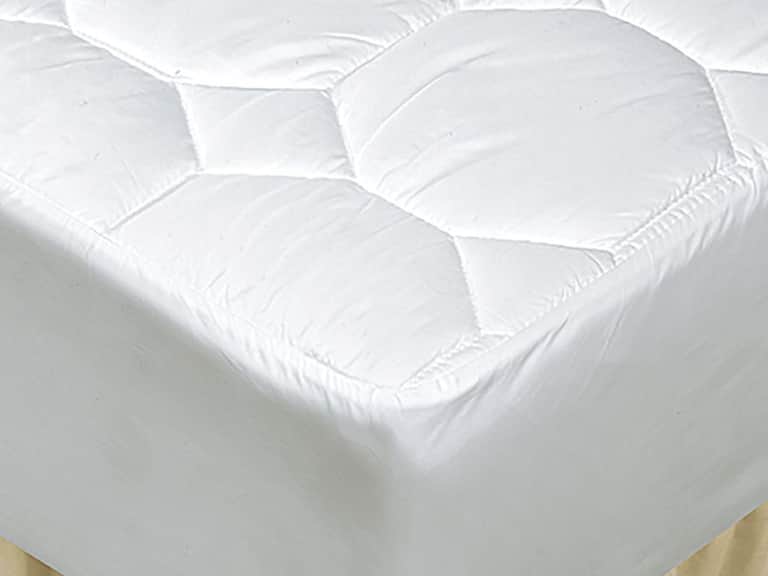
The goal of bedding education—whether you’re reading about a Downtown Company Luxury Cotton Mattress Pad or a Naturepedic pillow—should be to reveal how each component contributes to a healthier sleep surface. A mattress pad is not merely a luxury; it is a protective layer that influences temperature regulation, moisture management, and the longevity of the underlying mattress. The Downtown Company Luxury Cotton Mattress Pad, for example, offers a plush cotton fill and a quilted cover designed to balance softness with durability. Its deep-pocket fit (18 inches) and jersey-knit skirt reflect an attention to practical detail: a sleep surface that stays put through the night, without requiring constant rearrangement.
In a neutral, informational frame, such products can become case studies in how design choices—fabric weight, fill distribution, and corner anchors—affect daily use. They illustrate how a well-constructed pad can soften a mattress’s feel without altering its core support structure, extending the life of the mattress and reducing the frequency of deep-cleaning cycles. But the reader should approach any shopping with a critical eye: assess certifications where available, consider care requirements, and think about how a given product aligns with personal sleep needs rather than simply aesthetic preferences.
A Neutral Lens on Pillows and Supportal Devices
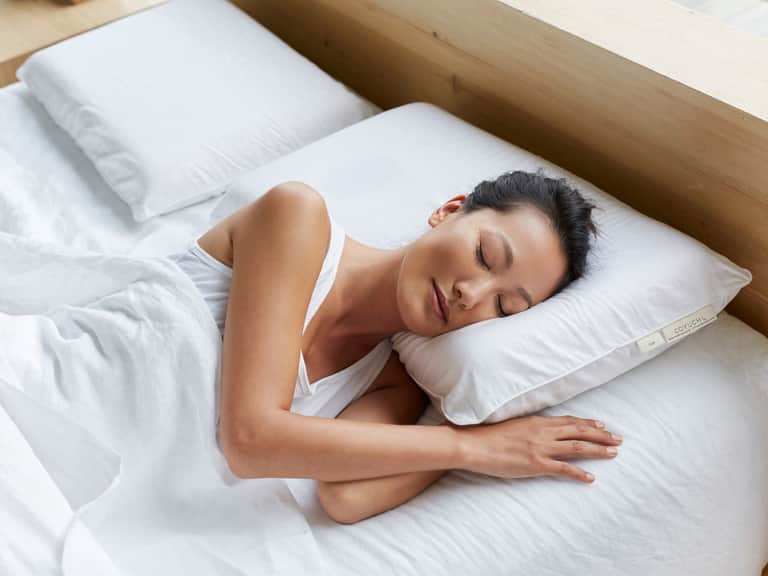
Pillows perform a different kind of work than mattresses. They shape the angle of the neck and head, influence airway openness, and contribute to overall spinal alignment. The field’s vocabulary includes materials such as memory foam and latex, each with distinct pros and trade-offs: memory foam contours to provide pressure relief but can be heat-retentive, while latex tends to be bouncy and breathable. The Turiya Organic Latex Pillow, for instance, stands as an example of a pillow designed around breathability and alignment, with GOLS and GOTS certifications that anchor its claims in organic practice. This is a useful reminder that the ecosystem of sleep products often intersects with broader concerns—sustainability, transparency, and comfort.
When discussing pillows, a reader should consider loft, fill density, and the sleeping position they typically adopt. The right pillow can reduce shoulder and neck strain and improve sleep duration by mitigating wake-points caused by discomfort. Yet, the pillow’s impact is most effective when paired with a suitable mattress and an environment that reinforces healthy sleep cues—cool temperature, low noise, and controlled light.
Educational Pathways: How to Build a Pillar Page and a Cluster Content Strategy
For readers who want a longer, more disciplined exploration of sleep, the recommended strategy is a pillar-and-cluster model. A pillar page—such as Sleep Basics or Mattress Education—acts as a broad hub, linking to tightly focused cluster articles: “What is Sleep Architecture?”, “Circadian Rhythm and Light Exposure,” “How to Choose a Mattress: A Non-Sales Guide,” and “Sleep Hygiene Checklist.” Each cluster article increases depth on a specific subtopic, while the pillar page provides a navigational spine for readers who wish to understand the larger landscape.
The editorial aim is to maintain credibility through transparent sourcing. In a science-forward publication, it is helpful to reference peer-reviewed studies, guidelines from national sleep foundations, and established medical organizations when discussing sleep duration, circadian biology, and the influence of light. The voice should remain clear, precise, and accessible—lending authority without veering into dense academic prose that might alienate casual readers.
The Nashua Mattress Concept as a Non-Local, Informational Brand
The proposed identity—Nashua Mattress as a neutral information hub—embodies a regulatory clarity: a domain that signals sleep literacy without implying a transactional relationship. This is crucial in ensuring readers trust the site as an educational source rather than a marketplace. The branding can evoke a sense of calm, reliability, and thoughtful curation, with a color palette that favors soft blues and warm neutrals. Typography should prioritize legibility, with generous line length, accessible font sizes, and ample white space to support comprehension.
In practice, the site could present resources as well as curated product data (as in the example of the Downtown Company pad) in a way that foregrounds educational value. The product data would be contextualized within a broader narrative about materials, care, and durability, rather than framed as a sales pitch. Readers would encounter product descriptions that explain how a feature—such as a quilted cover or deep-pocket fit—affects use, maintenance, and sleep quality.
A Transparent, Credible Editorial Ethos
The site’s editorial ethos should be explicit: a commitment to evidence-based information, transparent sourcing, and non-commercial, reader-first content. Citations to peer-reviewed sleep science, guidelines from sleep-related organizations, and materials science literature help anchor claims in verifiable truth. The tone should be generous, precise, and unafraid to acknowledge the limits of current knowledge or the variability of individual sleep experiences.
The fiction-free backdrop—no invented interviews, no exaggerated claims, no “speaking from the inside” fabrications—ensures that consumers can rely on the site for clarity rather than persuasion. The goal is to cultivate a readership that understands sleep as a scientific, cultural, and personal practice—an ongoing conversation about how we rest, and why we rest the way we do.
A Practical Reader’s Guide: How to Begin Your Sleep Education
Start with a core guide: Sleep Basics. Explain why sleep matters, what the brain does during sleep, and how sleep duration recommendations differ across age groups. Add a second pillar: Mattress Education. This is where readers can learn about the anatomy of a mattress, how materials influence support and temperature, and how to evaluate firmness in a non-sales context. Third, a Resources page that aggregates reputable organizations, peer-reviewed studies, and consumer guides can offer a reliable compass for readers navigating a crowded market.
The long tail of content would include myth-busting pieces, such as “Common Sleep Myths Debunked,” which helps readers separate folklore from data. A “How-To” series could walk readers through steps like “Creating a Sleep-Friendly Environment” and “Improving Sleep Hygiene.” A glossary of sleep terms would function as a quick-reference resource for readers who encounter unfamiliar terms in articles or product descriptions.
Accessibility, Ethics, and the Reader First Approach
A robust sleep site should be accessible: readable typography, high-contrast options, and alt-text for any visuals that might accompany the text. While the site will be text-forward, it can still benefit from lightweight, informative visuals such as charts illustrating sleep stages, or diagrams of how mattresses interact with body pressure. If images are used, they should complement the text and not serve as the sole vehicle of meaning.
Ethics also means transparency about monetization. If the site ever considers partnerships or sponsorships, disclosures must be explicit, and product mentions must be tied to demonstrable informational value rather than sales leverage. Readers deserve a space where the objective is understanding, not conversion.
Conclusion: Rest as a Public Inquiry
In the end, to think about sleep is to participate in a quiet act of public inquiry. We spend a third of our lives asleep, and the rest of it—our days, our moods, our conversations—bear the imprint of those hours. A site like Nashua Mattress, conceived as a neutral beacon of sleep knowledge, invites readers to examine the evidence, compare ideas, and craft sleep habits that feel both scientifically informed and personally meaningful. It is not merely about choosing a pad or a pillow; it is about building a daily practice that respects the body’s rhythms, honors the science behind rest, and recognizes the bed as a crucial site of human experience.
Product Reference (Contextual, Not Promotional)
For readers seeking concrete examples within a non-promotional frame, here is a product that can serve as a reference point for discussion about material quality and design without pressuring a purchase decision. The Downtown Company Luxury Cotton Mattress Pad exemplifies thoughtful construction: a plush cotton fill paired with a breathable, quilted cover. Its deep-pocket fit and durable finish illustrate how a well-made bedding product can contribute to sleep comfort and mattress longevity. When evaluating similar products, ask: How does the fill distribution affect pressure relief? Does the cover promote breathability? Is the fit secure enough to stay in place through the night? These are the kinds of questions that help readers draw practical conclusions without feeling steered toward a sale.
Another product in the broader market—such as Naturepedic’s latex and organic options—can be discussed in terms of material integrity, certifications, and lifecycle considerations. The emphasis remains on understanding how different materials, certifications, and construction approaches translate into real-world sleep outcomes. By anchoring product discussion in education, we keep the dialogue honest and useful for readers seeking knowledge over promotion.