Furniture encompasses a broad range of functional and aesthetic elements designed to support daily living, rest, and workspaces. This category emphasizes structural integrity, ergonomic design, materials, and finishes that influence comfort, durability, and interior harmony. Understanding these aspects helps in selecting pieces that align with room layout, usage patterns, and long-term care requirements.
Key features often highlighted in furniture include frame construction, joinery, and upholstery materials. Solid wood, plywood, or metal frames contribute to stability, while springs, foam densities, and layerings affect support and comfort. Finishes and textiles determine ease of cleaning, resistance to wear, and visual appeal within various decor styles.
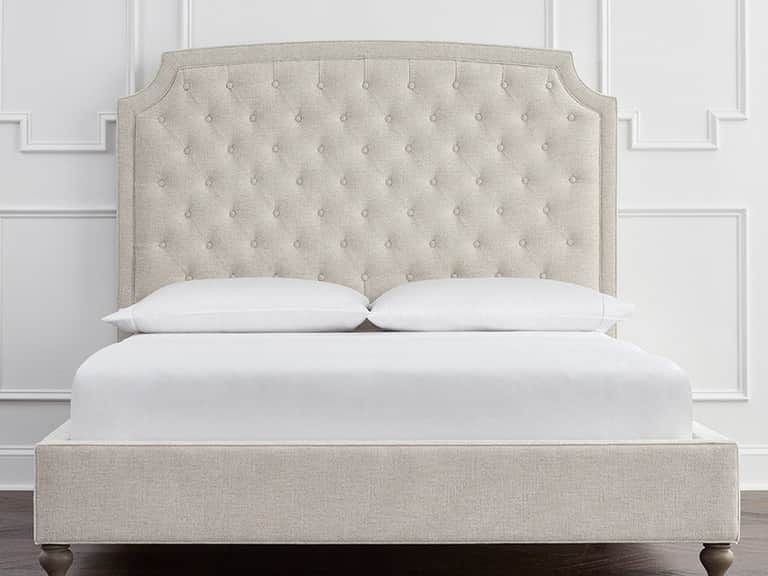
The Ashville Upholstered Bed exemplifies how frame design, headboard styling, and fabric choice impact usability and ambiance. Its construction supports proper spine alignment and contributes to a cohesive bedroom look. Upholstery options influence acoustic softness and tactile comfort, influencing sleeping quality and room acoustics alike.
The Cisco Home Asher Sofa demonstrates the synergy between seat depth, cushion firmness, and arm proportions for everyday seating. High-quality foams and resilient fabrics support long-term shape retention and user comfort during lounging or entertaining. Functional benefits include versatile seating arrangements and durable performance under regular use.
Within this category, materials such as latex, memory foam, and other cushioning options are explored for their unique properties. Memory foam pillows and latex components, though often associated with bedding, inform broader discussions on pressure relief, ergonomic support, and temperature regulation, contributing to informed material choices for diverse furniture applications.
 Furniture