How Sleep Stages Work: A Practical Guide to Understanding Your Night
A thoughtful exploration of sleep architecture, the science behind each cycle, and actionable steps to nurture recovery, memory, and daytime vitality.
Sleep is not a single monolithic state but a repertoire of stages, each with its own tempo and purpose. To the lay observer, a night might seem like a series of hours spent largely passively beneath a blanket. But beneath the quiet surface, the brain conducts a restless, rhythmic performance—the architecture of sleep that dictates how we recover, how we remember, and how we feel when dawn arrives. In this guide, we translate the biology of sleep stages into practical, everyday steps you can take to optimize your night’s choreography.
The Core Stages: What Happens During the Night
Sleep is classically divided into two broad families: non-rapid eye movement (non-REM) and rapid eye movement (REM) sleep. Non-REM sleep itself unfolds in three progressively deeper stages, each characterized by distinct brain activity, muscle tone, and physiological patterns. REM sleep, by contrast, is marked by cerebral activity that resembles wakefulness, vivid dreaming, and near-paralysis of the large muscles. Across a typical 7–9 hour night, the brain alternates between these states in cycles lasting roughly 90 minutes, a rhythm that repeats dozens of times.
- Stage N1 (Light Sleep): The transition from wakefulness into sleep. Brain waves slow, breathing becomes irregular, and the body begins to relax. This stage is brief, usually lasting several minutes, and serves as the doorway to deeper stages.
- Stage N2 (Sleep Spindles and K-Complexes): The heart rate slows, body temperature drops, and the brain engages in bursts of activity known as sleep spindles, along with K-complexes. This stage secures the boundary between wakefulness and deeper sleep, providing a stabilizing anchor for memory processing and sensory disconnection.
- Stage N3 (Slow-Wave Sleep): Also called deep sleep, N3 is marked by high-amplitude, low-frequency delta waves. It is the stage most associated with physical restoration, tissue growth, and immune function. It’s harder to wake someone in this stage, and waking from deep sleep can yield grogginess.
- REM Sleep: A paradoxical state where the brain is highly active, mirroring patterns seen in wakefulness, while most of the body's muscles are temporarily paralyzed to prevent acting out dreams. Memory consolidation, emotional regulation, and creative problem-solving are among REM sleep’s hallmark benefits.
Sleep Architecture: Why Cycles Matter
Each 90-minute cycle blends NREM and REM stages in a carefully choreographed sequence. In the early part of the night, deep slow-wave sleep (N3) dominates, supporting physical restoration. As the night progresses, REM periods lengthen, and the brain shifts into states associated with memory processing and emotional regulation. This cycling is not random; it reflects a balance the brain maintains between restoring the body and working through the experiences of the day.
Disruptions to sleep architecture can dull memory, blunt learning, and dampen mood. Conversely, preserving a stable architecture supports cognitive clarity, resilience, and daytime energy. The goal is not to chase a perfect score on a polysomnography graph but to create a reliable environment in which your nocturnal cycles can unfold with minimal interference.
How to Support Healthy Sleep Architecture in Daily Life
Small, consistent shifts in daily habits can yield outsized returns at night. The following practical steps are grounded in sleep science and designed for real-life implementation.
- Keep a Consistent Bedtime and Wake Time: The body thrives on regularity. A stable schedule strengthens circadian alignment, which in turn stabilizes the timing of deep sleep and REM periods. If occasional variations are unavoidable, aim to keep them within a narrow window across the week.
- Regulate Light Exposure: Light is the most potent zeitgeber for the circadian system. In the evening, dim artificial light and limit blue-light exposure from screens. In the morning, expose yourself to natural light or bright artificial light to signal wakefulness and help set your internal clock.
- Mind Your Caffeine and Alcohol: Caffeine’s effects can linger for hours and blunt the onset of deep sleep. Enjoy caffeine earlier in the day, and be mindful of late-afternoon or evening caffeinated beverages. Alcohol may seem to help you fall asleep, but it fragments sleep, particularly REM and NREM transitions, leading to less restorative cycles.
- Create a Sleep-Friendly Environment: A cool, quiet, and comfortable sleep space supports the stability of sleep stages. Temperature is a practical lever: slightly cooler rooms tend to promote deeper sleep stages, while too-warm environments can disrupt the balance of stages across the night.
- Exercise with Timing in Mind: Regular physical activity improves sleep quality, but timing matters. Moderate exercise earlier in the day tends to support deeper sleep, while vigorous workouts close to bedtime may temporarily delay sleep onset.
- Napping and Sleep Pressure: Strategic napping can complement nighttime sleep by supplying additional sleep pressure that reinforces the architecture. Short, early-afternoon naps are less likely to interfere with nighttime deep sleep than longer naps late in the day.
- Meal Timing and Sleep: Heavy meals close to bedtime can disrupt sleep onset and the continuity of cycles. If you need a pre-sleep snack, choose light options that won’t spike blood sugar or cause discomfort during the night.
Common Sleep Myths Debunked
A steady stream of sleep advice circulates through magazines, blogs, and wellness apps. Not every claim withstands scrutiny. Here are a few widely circulated myths, with evidence-based clarifications.
- Myth: You need to wake up at the same time every single day, even on weekends. Reality: A consistent schedule is beneficial, but occasional variability is normal and can be accommodated without harming overall sleep architecture. The key is not perfection but consistency across most days.
- Myth: More sleep always means better sleep. Reality: Quality matters as much as quantity. Excessive sleep, especially after a poor night, may reflect fragmented or non-restorative sleep. Focus on the distribution of sleep stages and how rested you feel during the day, not merely hours in bed.
- Myth: Nighttime awakenings ruin sleep for the entire night. Reality: Brief awakenings are common and part of normal sleep architecture. What matters is how quickly you return to sleep and whether these awakenings disrupt the stage balance for the rest of the night.
- Myth: Sleep duration is the sole marker of sleep health. Reality: Sleep quality, timing, and continuity are equally important. A person who sleeps eight hours with frequent awakenings may feel less rested than someone who sleeps seven hours with longer, uninterrupted blocks of deep sleep and REM.
Sleep Health and Memory: The Cognitive Tie-In
Sleep is a nightly rehearsal room for memory consolidation. Slow-wave sleep (N3) is closely associated with stabilizing declarative memories—facts and events—while REM sleep is linked to emotional memory and procedural understanding. A robust architecture supports learning and cognitive flexibility, which are crucial for daily performance, problem-solving, and mood regulation.
Researchers suggest that the brain replays or reprocesses experiences during sleep, binding new knowledge into existing networks. This intimate relationship between sleep stages and memory has implications for students, professionals facing complex tasks, and anyone seeking sharper daytime cognition. By prioritizing sleep consistency and environment, you’re not merely resting—you’re actively shaping the brain’s long-term capacity to learn and adapt.
Beds, Mattresses, and the Architecture of Comfort
While sleep stages describe the brain’s nightly symphony, the physical bed and its components act as the stage directors. The choice of mattress firmness, pillow height, and bedding materials influences not only comfort but also the body's alignment, breathing, and temperature. A sleep environment that minimizes discomfort and micro-disruptions helps preserve the integrity of sleep cycles across the night.
In a non-commercial spirit, consider how to evaluate bedding with an eye toward sleep health rather than marketing claims. Materials that balance breathability, support, and temperature regulation can reduce awakenings caused by heat or discomfort, thereby allowing the brain to maintain steadier transitions between stages. If you’re in the market for bedding, aim for neutral, informative sources that explain how different fills, fabrics, and designs impact comfort and thermoregulation—without pressuring a single product as a cure-all.
Creating a Personal Sleep Plan: A 4-Week Starter
If you’re seeking to put this knowledge into practice, here is a gentle, four-week routine that respects your life, work, and body’s signals. The aim is not perfection but a steady improvement in sleep architecture through consistent habits.
- Week 1: Baseline and Boundaries. Track your sleep onset, awakenings, and perceived restfulness. Establish a fixed bedtime within a 15–20 minute window and reduce evening screen time at least 60 minutes before bed.
- Week 2: Light and Temperature. Implement a dimming strategy for evening light and aim for a cooler bedroom around 65–68°F (18–20°C). If possible, expose yourself to morning light within 30–60 minutes of waking.
- Week 3: Movement and Hydration. Add a moderate afternoon workout and be mindful of late-day caffeine. Hydration matters, but avoid large fluids right before bed to minimize nocturnal awakenings.
- Week 4: Review and Refine. Reassess your sleep onset, duration, and awakenings. If disruption remains, consider minor adjustments to bedtime, room conditions, or routine, while maintaining a consistent schedule on most nights.
References and Credible Pathways to Sleep Science
This guide draws from established research in sleep medicine and cognitive neuroscience. For readers who wish to explore further, consult peer-reviewed reviews on sleep architecture, circadian biology, and memory consolidation. Reputable organizations and journals offer accessible summaries of sleep science for non-specialists, including explanations of sleep stages, circadian timing, and the impact of lifestyle factors on sleep quality.
In an era of rapid information exchange, the value of rigorous, cited sources cannot be overstated. The goal here is clarity, not clever shortcuts; the aim is to empower readers with a practical understanding of their nights and the steps they can take to improve them.
A Note on Product Mentions
Within this article, product references are included only when they genuinely fit the topic of sleep health and architecture and link to their official product pages. The emphasis remains on understanding how different bedding elements influence sleep architecture rather than promoting a single brand or item. Examples provided are intended to illustrate concepts, not endorsements.
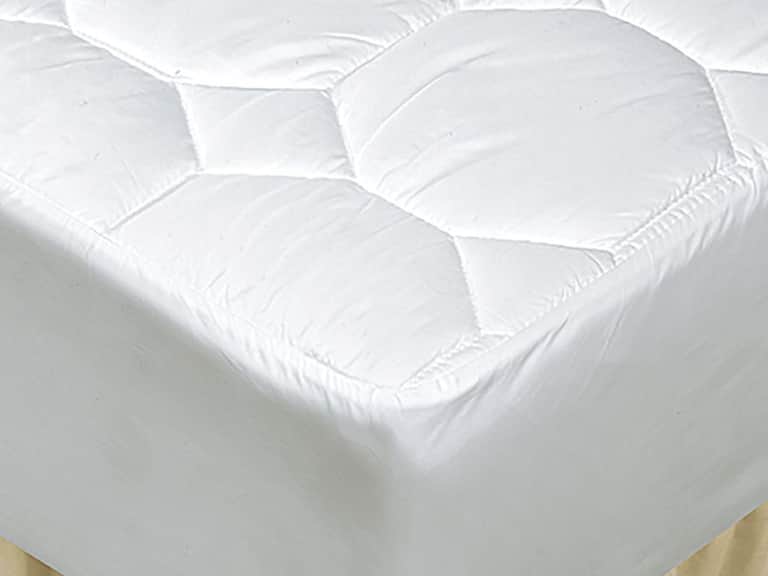
For readers seeking concrete product information, the site offers curated data on bedding components—such as mattress pads and latex pillows—that highlight materials, breathability, and ergonomic considerations relevant to sleep quality. These references are selected to align with an evidence-based approach to sleep health.
Conclusion: Sleep as a Daily Practice
Understanding the stages of sleep transforms nighttime rest from a passive ritual into an active health practice. By honoring the cycle—allowing for steady progression through N1, N2, N3, and REM—you give the body a chance to repair, learn, and regulate emotion. The strategies outlined here are modest in scale but potent in effect: consistent timing, light-aware living, temperature-friendly surroundings, and mindful lifestyle decisions. Sleep, in this view, becomes a daily practice of self-respect and attentiveness to the brain’s quiet, powerful architecture.